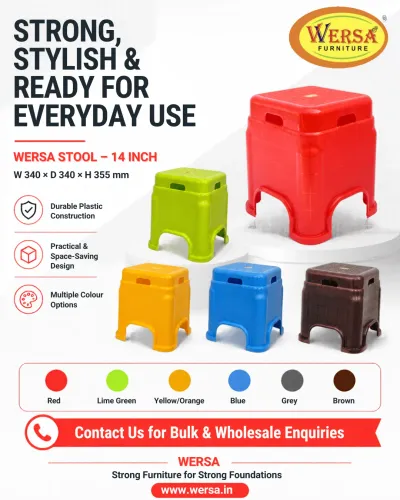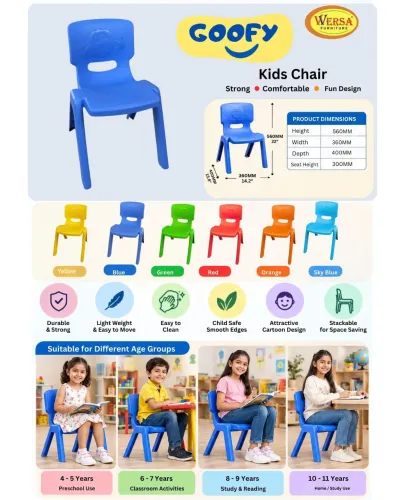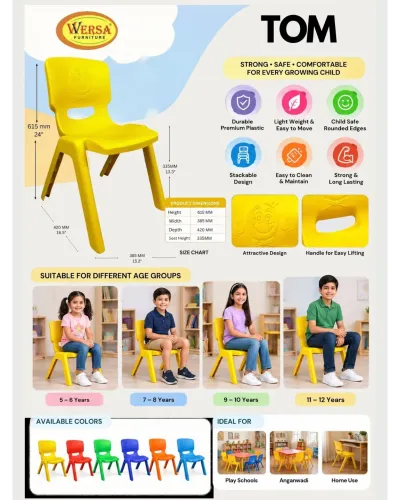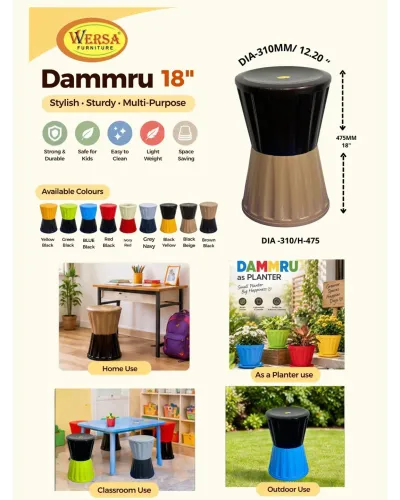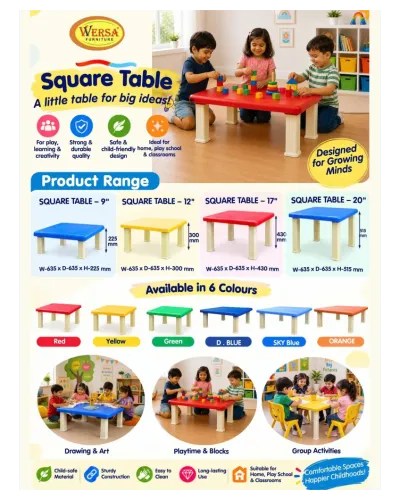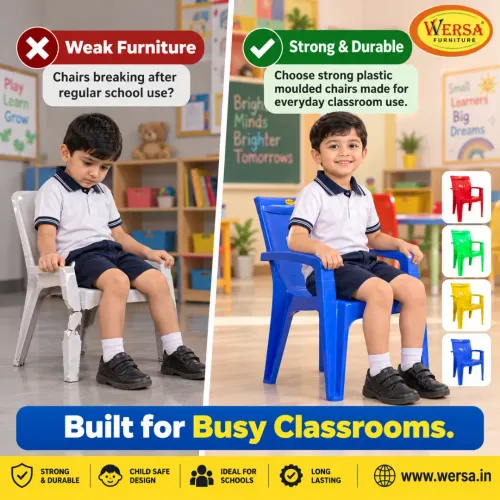
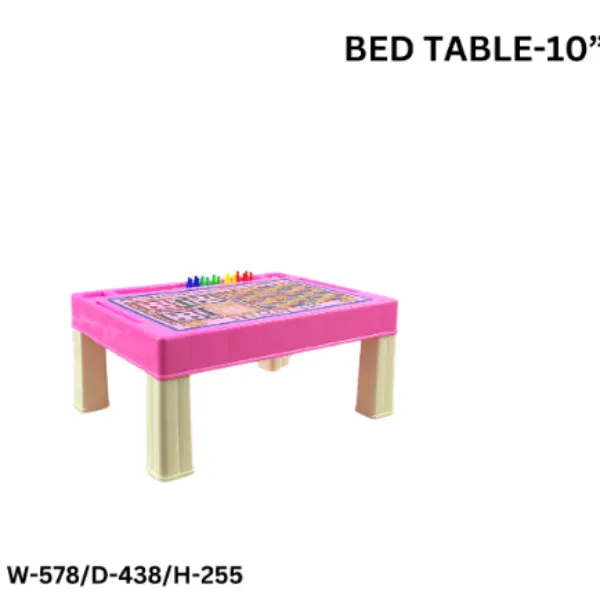
The furniture in a preschool does much more than fill a classroom. It shapes how children learn, interact, and develop essential motor and social skills every day. From circle time and creative activities to meals and play sessions, every piece of furniture contributes to the overall learning experience. That is why selecting the right play school furniture is one of the most important decisions for preschool owners, daycare operators, and educational institutions in Delhi.
Young children require furniture that matches their height, supports proper posture, and allows them to move comfortably without compromising safety. Oversized or poorly designed furniture can make classrooms difficult to manage and may even increase the risk of minor injuries during daily activities.
What Makes Quality Play School Furniture Different?
Furniture designed specifically for preschool environments is built with children's needs in mind. Unlike standard classroom furniture, it combines safety, durability, and vibrant designs to create an inviting learning space.
Some of the most important features include:
- Rounded edges to minimize accidental injuries
- Lightweight construction for easy classroom rearrangement
- Stable and sturdy design to prevent tipping
- Smooth, child-safe surfaces that are easy to clean
- Bright colours that create an engaging atmosphere
- Materials that withstand daily classroom use
These characteristics help schools maintain a safe environment while reducing maintenance and replacement costs over time.
Why Material Quality Matters
Preschool furniture experiences constant use throughout the day. Children frequently move chairs, gather around activity tables, and participate in creative learning sessions. Choosing furniture made from high-quality molded plastic provides several advantages.
Plastic furniture resists moisture, making it suitable for classrooms where spills are common. It is also easier to sanitize, an important consideration for maintaining hygiene in schools and daycare centres. Unlike some traditional materials, high-quality molded plastic does not splinter, rust, or require frequent refinishing.
Educational institutions across Delhi often look for furniture that can handle years of regular use while maintaining its appearance. Durable materials help schools reduce long-term replacement expenses and ensure consistent classroom quality.
Creating Flexible Learning Spaces
Modern preschool education encourages movement and collaborative learning. Instead of fixed seating arrangements, classrooms now accommodate storytelling, art activities, group discussions, and hands-on learning experiences.
Well-designed play school furniture supports this flexibility by allowing teachers to reconfigure classrooms quickly for different activities. Lightweight chairs and tables make it easier to create activity zones that encourage creativity, communication, and teamwork among young learners.
Flexible classroom layouts also help maximize available space, especially in urban schools where efficient use of every classroom is important.
Safety Should Always Come First
Children naturally explore their surroundings, making furniture safety a top priority. Before purchasing classroom furniture, institutions should evaluate factors such as:
- Smooth finishes without sharp edges
- Strong weight-bearing capacity
- Stable construction that reduces tipping
- Easy-to-clean surfaces for better hygiene
- Age-appropriate dimensions for comfortable seating
Paying attention to these details helps schools create an environment where children can learn and play with confidence.
Choosing a Reliable Manufacturer
Selecting a trusted manufacturer is just as important as choosing the furniture itself. Schools should look for companies with experience in educational furniture manufacturing, consistent product quality, and the ability to supply multiple classroom sets when needed.
For educational institutions in Delhi, manufacturers such as Vaishno Plast have built their reputation by producing molded preschool furniture designed specifically for schools, daycare centres, and early learning environments. Information about product specifications and available models can also be explored through the company's website, wersafurniture.com, helping procurement teams compare options before making purchasing decisions.
Investing in thoughtfully designed play school furniture creates a classroom that is safer, more organised, and more enjoyable for children. When furniture supports both learning and everyday classroom activities, it becomes an essential part of building a positive educational experience that benefits students, teachers, and school administrators alike.
Keywords